Project details
A model built around your task.
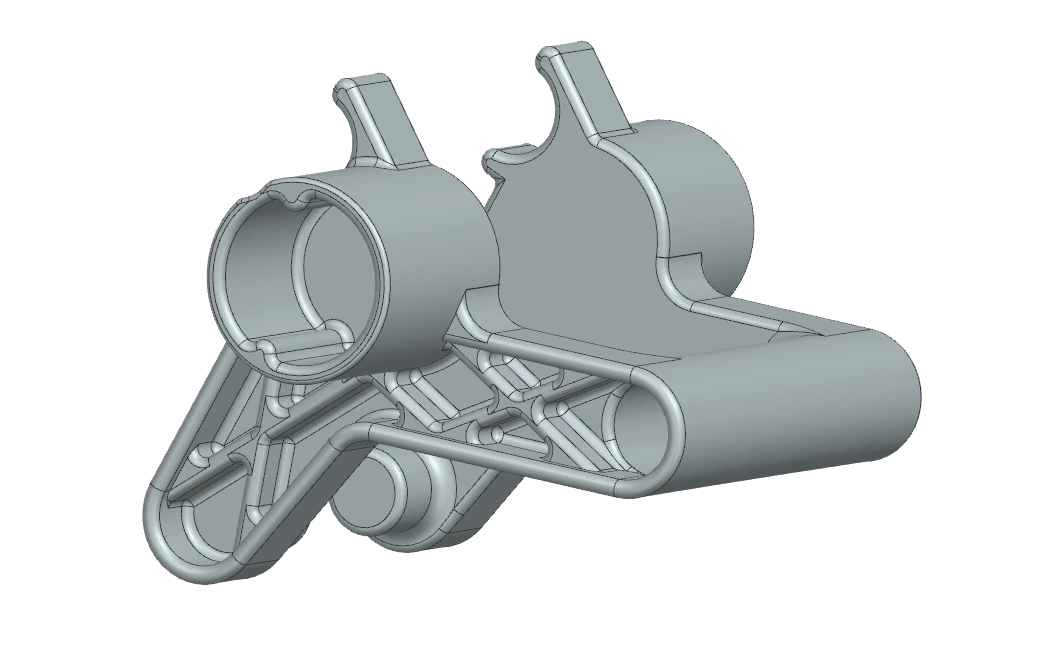
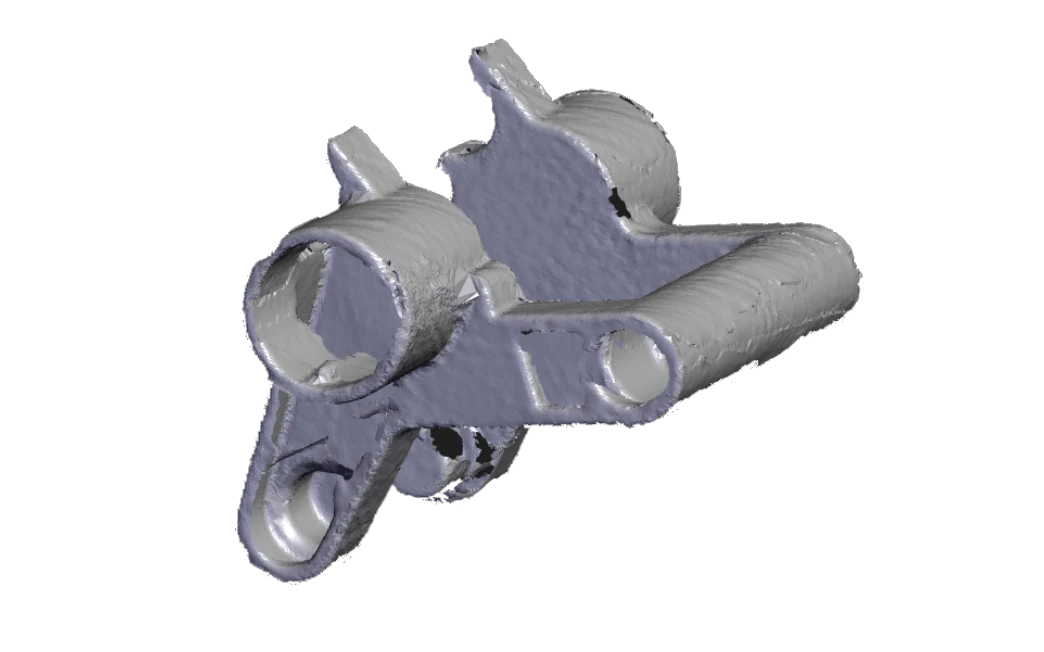
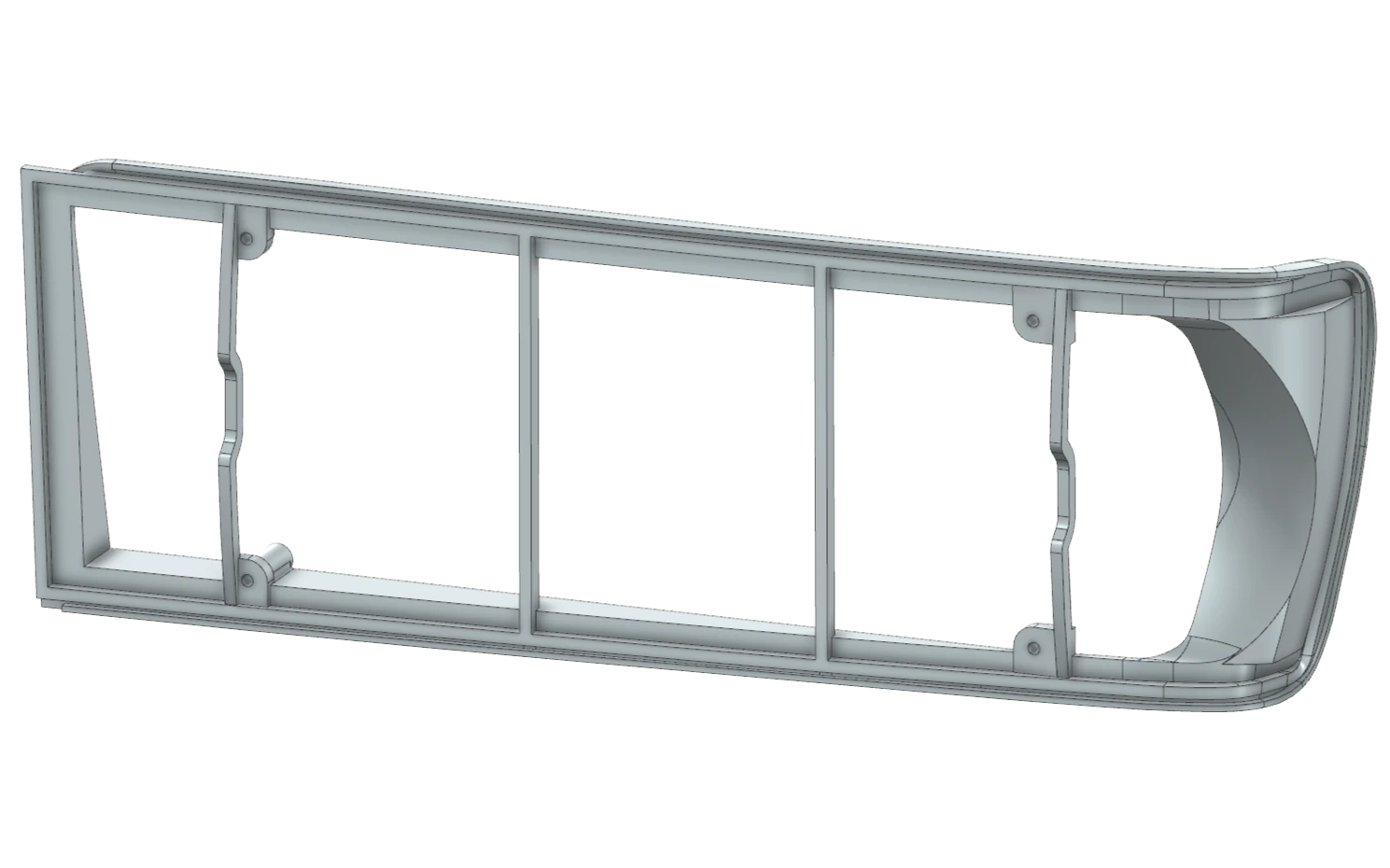
A scan captures the existing shape. CAD reconstruction gives you geometry to continue designing, adapt a component or prepare the next manufacturing step. The brief determines which features must follow the scan and which need correction.
What to send
Send the STL file or a link, its units and at least one reference dimension. Include photos if the part is worn, broken or incomplete. Mark mounting faces, holes and any dimensions that affect fit.
Tell us the intended use, the STEP result you need and any dimensional requirements. If the scan contains gaps or noise, we first assess whether the available geometry and your measurements are sufficient.
What you receive
The agreed CAD reconstruction is supplied in STEP format. A triangulated STL mesh and a reconstructed CAD model describe geometry differently; this work involves rebuilding the relevant features, not simply changing the file extension.
STEP does not by itself promise a native feature tree. Drawings, additional formats, reports and other deliverables should be discussed before the project is agreed.
Dimensions, wear and verification
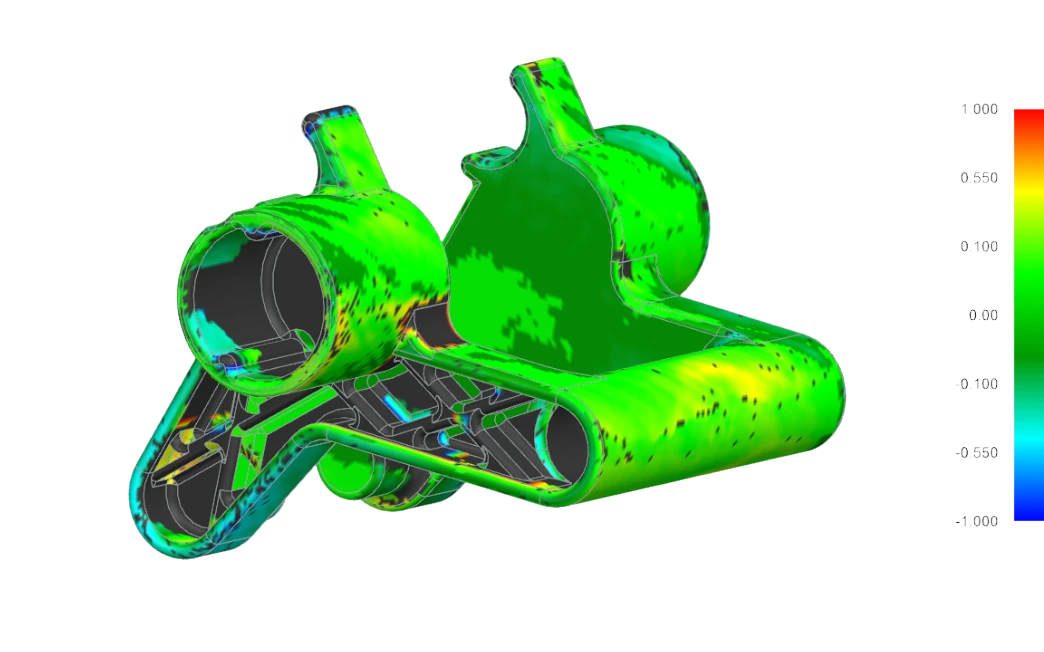
Identify the surfaces and dimensions that matter for your application. We agree on reference measurements and checks before reconstruction, including how worn or missing areas should be interpreted.
A scan alone cannot establish the original shape of an absent feature or prove physical fit. Supply mating-part information and measurements where needed; prototype or physical fit checks must be agreed separately.
Cost and timing
Assessment considers geometry complexity, scan quality, missing features, dimensional requirements and the agreed checks. Delivery timing and any revisions are discussed with the project scope.
If confidentiality needs to be addressed before sharing a file, send a general description first and ask to agree the arrangements. Do not include sensitive files in the first message.